In today’s digital era, a website is more than just an online presence. It acts as a business identity, marketing platform, communication channel, and sales tool. Whether someone owns a small business, startup, online store, blog, or corporate company, a professional website plays a major role in building trust and attracting customers.
However, not every website becomes successful. Many websites fail because they lack important elements that users and search engines expect. A good website should not only look attractive but also provide a smooth experience for website visitors, clearly show its unique value, and make the client feel confident while standing out from every competitor. A strong logo and visible highlight also help improve brand identity.
Modern users expect a well-structured experience where every headline and paragraph is placed appropriately in a coherent way, designed with the right target audience in mind. Content should be easy to read, clear, and aligned with what users expect from a professional website.
Search engines like Google also prioritize websites that are clear, useful, and properly structured, helping improve visibility and engagement for every website visitor.
In this article, we will explain the five most important things every successful website should have and why they matter.
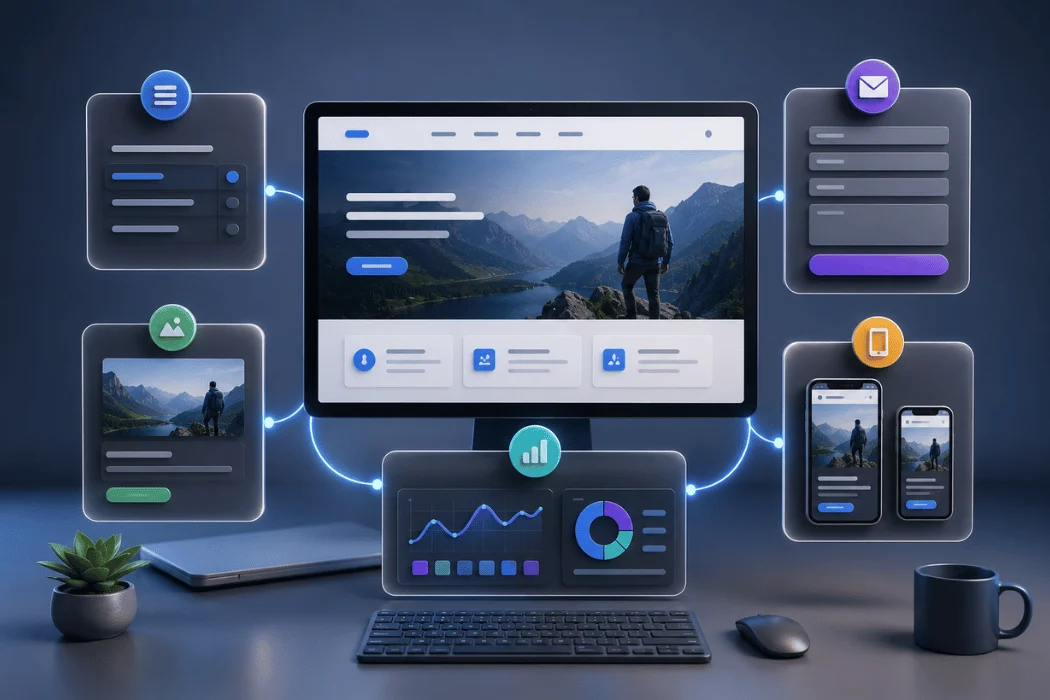
Why a Good Website Is Important: Essential Elements of a Successful Website
A website is often the first overview customers have of a business, and people judge it within seconds after visiting it. If the website looks outdated, slow, or difficult to use, users may hesitate, and visitors wait only a few seconds before leaving. A good design ensures your site captures visitors’ attention immediately.
A professional website should help you create trust through clear web page structure, simple paragraphs of text, and useful content like case studies. You should don’t write unnecessary information focus only on what users need to make a decision.
A well-designed site improves experience and helps businesses:
Create a strong first impression
Improve online visibility
Increase customer trust
Generate leads and sales
Improve brand awareness
Enhance customer engagement
Support digital marketing strategies
Websites are now one of the most powerful tools for business growth in the digital world.
1. User-Friendly Website Design
Website design is one of the most important factors that affect user experience. A clean and professional design helps visitors stay longer on the website and explore more pages.
A poorly designed website can confuse users and reduce trust. Good website design focuses on simplicity, readability, functionality, and visual appeal.
Features of a Good Website Design
Clean and Organized Layout
A clean layout makes it easier for visitors to find information quickly. Too many advertisements, animations, or unnecessary elements can create distractions.
Easy Navigation
Website menus should be simple and properly structured. Visitors should easily access important pages such as:
- Home
- About Us
- Services
- Blog
- Contact Page
Readable Typography
Fonts should be clear and readable on all devices. Proper spacing and headings improve readability.
Consistent Branding
Using consistent colors, fonts, and styles helps strengthen brand identity and professionalism.
High-Quality Images
Professional images improve website appearance and increase user.
Importance of Website Design
| Website Design Element | Benefit |
| Clean Layout | Better readability |
| Easy Navigation | Improved user experience |
| Consistent Branding | Stronger brand identity |
| Professional Design | Builds trust |
| Quality Visuals | Higher engagement |
A good website design creates a positive first impression and encourages visitors to stay longer.
2. Fast Website Loading Speed
Website speed is one of the biggest factors that affect both user experience and SEO rankings. Users expect websites to load quickly. If a website takes too long to load, visitors often leave before viewing the content.
Studies show that slow websites experience higher bounce rates and lower conversion rates.
Google also considers page speed as an important ranking factor. Faster websites usually rank better in search engine results.
Factors That Affect Website Speed
Large Image Files
Heavy images increase loading time significantly.
Poor Web Hosting
Low-quality hosting services can reduce website performance.
Too Many Plugins
Excessive plugins make websites slower and more complicated.
Unoptimized Code
Unnecessary CSS and JavaScript files affect loading speed.
Too Many Redirects
Redirect chains increase server response time.
Benefits of Fast Website Speed
- Better user experience
- Lower bounce rate
- Improved SEO rankings
- Higher customer satisfaction
- Increased conversions
Ways to Improve Website Speed
| Speed Optimization Method | Purpose |
| Image Compression | Reduces image size |
| Browser Caching | Faster loading |
| CDN Usage | Improves global speed |
| Quality Hosting | Better server response |
| Minified Code | Reduces unnecessary files |
Website speed optimization helps businesses improve both performance and search visibility.
3. Mobile-Friendly and Responsive Design
Today, a large percentage of internet traffic comes from smartphones and tablets. Because of this, websites must work properly on all screen sizes.
A responsive website automatically adjusts its layout according to the device being used.
Google also uses mobile-first indexing, meaning it mainly evaluates the mobile version of a website for rankings.
Features of a Mobile-Friendly Website
Responsive Layout
The design should adapt smoothly to all devices.
Mobile Navigation
Menus and buttons should remain easy to click on smaller screens.
Readable Content
Users should not need to zoom in to read text.
Fast Mobile Speed
Mobile websites should load quickly even on slower internet connections.
Optimized Images
Images should resize correctly without affecting speed.
Why Mobile Optimization Matters
| Mobile Optimization Benefit | Result |
| Better User Experience | Increased engagement |
| Improved SEO | Higher rankings |
| Lower Bounce Rate | More page views |
| Better Accessibility | Easier browsing |
| Increased Conversions | More sales |
Businesses without mobile-friendly websites risk losing a large number of potential customers.
4. Search Engine Optimization (SEO)
Search Engine Optimization helps websites appear in search engine results when users search for related topics or services.
Without proper SEO, websites struggle to attract organic traffic even if the design is excellent.
SEO includes content optimization, technical improvements, keyword research, and user experience enhancements.
Important Elements of SEO
Keyword Optimization
Using relevant search terms helps search engines understand the website content.
Examples of useful long-tail search queries include:
- what are the most important website features
- essential elements of a successful website
- how to improve website user experience
- importance of responsive web design
- website speed optimization tips
- SEO best practices for websites
- how to make a website mobile friendly
- important things every business website needs
- benefits of website security
High-Quality Content
Useful and informative content improves rankings and user trust.
Meta Titles and Descriptions
Optimized titles improve click-through rates in search results.
Internal Linking
Internal links help users navigate the website and improve SEO structure.
Technical SEO
Technical SEO includes:
- XML sitemaps
- HTTPS security
- Schema markup
- Mobile optimization
- Fast loading speed
Benefits of SEO
| SEO Benefit | Result |
| Higher Rankings | More visibility |
| Organic Traffic | Increased visitors |
| Better Credibility | Higher trust |
| Long-Term Growth | Sustainable traffic |
| Improved User Experience | Better engagement |
SEO is one of the most effective long-term strategies for online growth.
5. Website Security and Trust
Website security is essential for protecting user data and maintaining trust. Cyber threats such as hacking, malware, and phishing attacks continue to increase worldwide.
Users avoid websites that appear unsafe. Search engines also prefer secure websites.
Important Website Security Features
SSL Certificate
SSL certificates encrypt data and enable HTTPS security.
Strong Password Protection
Strong passwords reduce the risk of unauthorized access.
Regular Software Updates
Updating plugins, themes, and CMS software helps fix vulnerabilities.
Backup Systems
Regular backups help recover websites after attacks or technical failures.
Security Monitoring
Monitoring tools help detect suspicious activity early.
Signs of a Secure Website
| Security Feature | Purpose |
| HTTPS | Secure connection |
| SSL Certificate | Data protection |
| Firewall | Prevents attacks |
| Backup System | Data recovery |
| Malware Scanning | Threat detection |
Website security builds customer trust and protects sensitive information.
Additional Important Features Every Website Should Include
Although the five factors above are the most important, other features also contribute to website success.
High-Quality Content
Content is one of the main reasons people visit websites. Informative content helps users solve problems and learn new information.
Good website content should be:
- Original
- Informative
- Easy to understand
- Well-structured
- Regularly updated
Search engines reward websites that provide valuable and trustworthy information.
Clear Call-to-Action (CTA)
A website should guide users toward specific actions such as:
- Contacting the business
- Purchasing a product
- Subscribing to a newsletter
- Booking a service
Examples of effective CTAs include:
- Contact Us Today
- Get Started
- Learn More
- Request a Quote
Clear CTAs improve conversion rates.
Contact Information
Displaying contact details increases trust and credibility.
Important contact details include:
- Phone number
- Email address
- Business location
- Contact form
- Social media links
Visitors feel more comfortable when businesses provide transparent contact information.
Website Accessibility
Accessible websites ensure all users, including people with disabilities, can browse comfortably.
Accessibility features include:
- Alt text for images
- Keyboard navigation
- Proper color contrast
- Screen reader compatibility
Website accessibility improves user experience and supports inclusivity.
Common Website Mistakes to Avoid
Many websites fail because of avoidable mistakes.
Common Problems
| Website Mistake | Negative Impact |
| Slow Loading Speed | High bounce rate |
| Poor Mobile Design | Lost mobile traffic |
| Weak Security | Reduced trust |
| Cluttered Layout | Bad user experience |
| Low-Quality Content | Poor SEO performance |
Avoiding these mistakes helps improve website performance and customer satisfaction.
Future Trends in Website Development
Website technology continues to evolve rapidly. Businesses should stay updated with modern trends to remain competitive.
Emerging Website Trends
- AI-powered chatbots
- Voice search optimization
- Interactive content
- Personalized user experiences
- Faster web technologies
- Advanced cybersecurity systems
- Dark mode website designs
Modern websites focus more on user experience, performance, and personalization.
FAQs
Why is website speed important?
Website speed improves user experience and SEO rankings. Faster websites also reduce bounce rates and increase conversions.
What makes a website mobile-friendly?
A mobile-friendly website adjusts properly on smartphones and tablets. It improves readability, navigation.
How does SEO help a website?
SEO improves search engine rankings and increases organic traffic. It helps businesses reach more users online.
Why is website security necessary?
Website security protects user information and prevents cyberattacks. Secure websites also build customer trust.
What is responsive web design?
Responsive web design allows websites to adapt to different screen sizes. It improves usability across all devices.

Conclusion
A successful website requires more than design it needs a strong homepage / home page, clear navigation bar, and good navigation so visitors don’t feel overwhelm. The website starts with a clear purpose, using the right template, font, and website is designed properly for both desktop and mobile devices.
Modern website AI and automation tools like SEO tools like keyword planning help improve search engines can easily crawl, boost conversion rate, and build trust through testimonial and clear call-to-action that encourages users to take the next step or need to take action. A good structure helps search engines can easily understand content and improve search results.
Regular updates, regular maintenance, and secure setup ensure the site stays secure, performs well, and supports trend growth across industries, especially in B2B websites. Ultimately, a well-planned website helps convert visitors, build trust, and guide the ideal audience without hesitation.