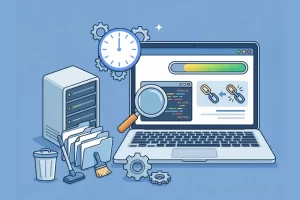
A website is one of the most valuable digital assets for businesses, entrepreneurs, and organizations. It acts as an online storefront, marketing tool, communication channel, and sales platform. However, launching a website is only the beginning. To keep it secure, fast, functional, and competitive in search results, it requires continuous monitoring and updates.
This is where website maintenance becomes essential. Without regular maintenance, websites can experience slow loading speeds, security vulnerabilities, broken functionality, or outdated content that affects both user experience and search engine rankings.

What Is Website Maintenance for Website Design, AI, and Small Business Websites?
Website maintenance refers to the ongoing process of updating, monitoring, and improving a website to ensure it continues to function efficiently. It involves both technical and content-related tasks designed to maintain performance, security, and usability.
Regular website maintenance helps prevent issues that could negatively impact visitors or business operations.
Key Website Maintenance Activities
Common website maintenance tasks include:
- Updating content management systems (CMS) such as WordPress or Drupal
- Updating plugins, themes, and extensions
- Monitoring website uptime and performance
- Fixing broken links or pages
- Running security scans and malware detection
- Creating and testing backups
- Improving page speed and performance
- Updating website content or media
Maintaining these elements ensures that the website remains compatible with new technologies and browsers while continuing to provide a positive user experience.
Regular maintenance is also essential for search engine optimization (SEO). Search engines prioritize websites that load quickly, remain secure, and offer consistent functionality. Websites that are outdated or poorly maintained often lose rankings in search results.
What Are Website Support Services for Website Design Platforms?
Website support services are professional services provided by developers or agencies that specialize in website design and website maintenance. They help maintain the technical health of a business website, especially on platforms like WordPress, by managing software and plugins, improving security and performance, and ensuring strong uptime.
Instead of relying on DIY website builders, many businesses hire a professional web designer to avoid costly mistakes, improve user experience (UX), and follow SEO best practices. This helps businesses maintain a reliable online presence and gives owners greater peace of mind.
Services Commonly Included
Professional website support services usually provide:
- Continuous website monitoring
- Security checks and malware protection
- Plugin, theme, and CMS updates
- Bug fixes and technical troubleshooting
- Website backups and recovery solutions
- Performance optimization and speed monitoring
- Minor content or design updates
- Technical assistance when issues occur
These services are designed to ensure that websites remain operational without requiring constant attention from the business owner.
Support providers also use specialized monitoring tools that detect problems such as downtime or performance issues immediately, allowing them to resolve issues before they affect users.
What is DIY Website Maintenance?
DIY website maintenance refers to managing the entire process independently without hiring professional support.
Many individuals and small businesses choose this approach to reduce costs or maintain complete control over their website.
DIY maintenance is common among:
- Bloggers
- Freelancers
- Small startups
- Personal website owners
- Small businesses with basic technical knowledge
However, maintaining a website independently requires understanding the tools and technologies involved in website management.
Typical DIY Maintenance Tasks
When managing website yourself, you may need to perform tasks such as:
- Installing software updates for the CMS
- Updating plugins or website themes
- Creating regular backups
- Monitoring website speed and performance
- Running security scans
- Fixing small technical errors
While many website platforms provide tools that simplify these tasks, DIY maintenance still requires regular attention and problem-solving skills.
Website Support Services vs DIY Maintenance: Key Differences
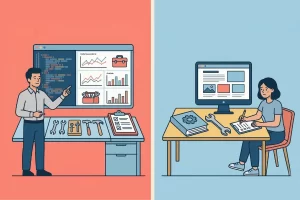
The most important differences between website support services and DIY maintenance relate to expertise, time investment, and level of risk.
Professional support services offer specialized knowledge and monitoring tools, while DIY maintenance relies on the website owner’s personal skills and availability.
Comparison Overview
| Feature | Website Support Services | DIY Website Maintenance |
| Expertise | Experienced developers and technical teams | Website owner or internal staff |
| Security Monitoring | Advanced monitoring tools and protection | Basic security plugins |
| Time Commitment | Minimal time required from business owner | High time investment |
| Cost | Monthly service fee | Lower initial cost |
| Troubleshooting | Professional problem resolution | Self-learning and trial-and-error |
| Reliability | Higher reliability and uptime | Depends on owner expertise |
The decision between the two often depends on the complexity of the website and the resources available to maintain it.
Benefits of Professional Website Support Services
Hiring professional website support services offers several advantages that can significantly improve website performance and reliability.
1. Enhanced Website Security
Cybersecurity threats are a growing concern for website owners. Hackers often exploit outdated plugins, weak passwords, or unpatched vulnerabilities.
Professional support services reduce these risks by implementing security measures such as:
- Regular security updates
- Firewall protection
- Malware scanning
- Vulnerability monitoring
These measures help protect both the website and the data of its users.
2. Improved Website Performance
Website speed is a critical factor in user experience. Visitors expect pages to load quickly, and slow websites often experience high bounce rates.
Support teams optimize performance by:
- Compressing images
- Optimizing databases
- Implementing caching systems
- Monitoring server performance
These optimizations help ensure that websites load quickly across different devices and internet connections.
3. Continuous Monitoring and Proactive Maintenance
One major advantage of professional support is proactive monitoring. Instead of waiting for issues to occur, experts continuously track website performance.
This allows them to:
- Detect downtime immediately
- Identify performance bottlenecks
- Fix bugs before they affect visitors
Proactive maintenance reduces the risk of extended downtime that could harm business operations.
4. Time Efficiency for Businesses
Maintaining a website can be time-consuming, especially for business owners who already manage multiple responsibilities.
Outsourcing website support allows businesses to focus on activities such as:
- Marketing campaigns
- Customer service
- Product development
- Strategic planning
This improved focus can increase overall productivity.
5. Scalability for Future Growth
As businesses grow, their websites often require additional features, integrations, and increased performance capabilities.
Professional support services can assist with:
- Adding new website features
- Upgrading hosting environments
- Integrating third-party tools
- Managing increased website traffic
This scalability ensures that the website continues to support business growth without technical limitations.
Advantages of DIY Website Maintenance
Although professional services offer many benefits, DIY maintenance can also be a practical solution in certain situations.
1. Lower Initial Cost
One of the main reasons website owners choose DIY maintenance is cost savings. Without monthly service fees, businesses can allocate their budget to other areas such as marketing or content creation.
2. Full Control Over Website Changes
DIY maintenance allows website owners to control every aspect of the site. They can implement changes, install new plugins, or update content whenever needed without waiting for external support.
3. Skill Development and Learning
Maintaining a website independently can be a valuable learning experience. Website owners can develop technical skills related to:
- Website management
- Basic coding
- SEO optimization
- Troubleshooting
These skills may become useful as the website grows.
4. Flexibility and Experimentation
DIY maintenance allows website owners to experiment freely with design changes, plugins, and tools. This flexibility can help them customize the website according to their preferences.
Risks and Limitations of DIY Website Maintenance
While DIY maintenance may work well for simple websites, it also presents several potential risks.
Common Challenges
- Missing important software updates
- Security vulnerabilities from outdated plugins
- Website crashes caused by incompatible updates
- Limited ability to diagnose complex technical issues
- Increased downtime if problems occur
Inexperienced maintenance can sometimes lead to more serious issues that require professional repair, which may ultimately cost more than hiring support services in the first place.
Additionally, troubleshooting website problems can be time-consuming and frustrating for those without technical backgrounds.
Frequently Asked Questions
What are website support services?
Website support services are professional services that manage website maintenance, updates, security monitoring, and troubleshooting to ensure a website operates smoothly.
Is DIY website maintenance suitable for small businesses?
DIY maintenance can work for small businesses with simple websites and basic technical knowledge, but larger or revenue-generating websites often require professional support.
How often should website maintenance be performed?
Website maintenance should be performed regularly, with security updates and performance checks conducted weekly or monthly depending on the website’s complexity.
Why is website maintenance important for SEO?
Maintenance improves page speed, fixes technical errors, and ensures website uptime, all of which contribute to better search engine rankings.
When should a business consider hiring website support services?
Businesses should consider professional support when their website plays a critical role in marketing, sales, or customer engagement.

Conclusion
Website maintenance is essential for any business website and strong online presence. Whether you are building a website on a platform like WordPress or launching a new website, regular updates to software and plugins, good security and performance, and fast loading speeds help prevent downtime and outdated systems.
While DIY website builders may seem cost-effective, a DIY might seem simple but can lead to costly issues, poor user experience (UX), and problems with SEO best practices. Many businesses choose to hire professional services or a professional web designer to ensure reliable hosting, better uptime, and long-term results. This approach supports business goals and provides greater peace of mind.