Sponsored social advertising has become a critical component of modern digital marketing strategies. As billions of people actively use social platforms every day, businesses have an unprecedented opportunity to reach potential customers at different stages of the buying journey. Platforms such as Facebook, Instagram, LinkedIn, TikTok, and YouTube allow brands to target specific audiences based on demographics, interests, behaviors, and even previous interactions with their websites.
According to industry research, global spending on social media promotions continues to grow every year as companies recognize the measurable return on investment these platforms offer.
Understanding Paid Social Advertising Strategies
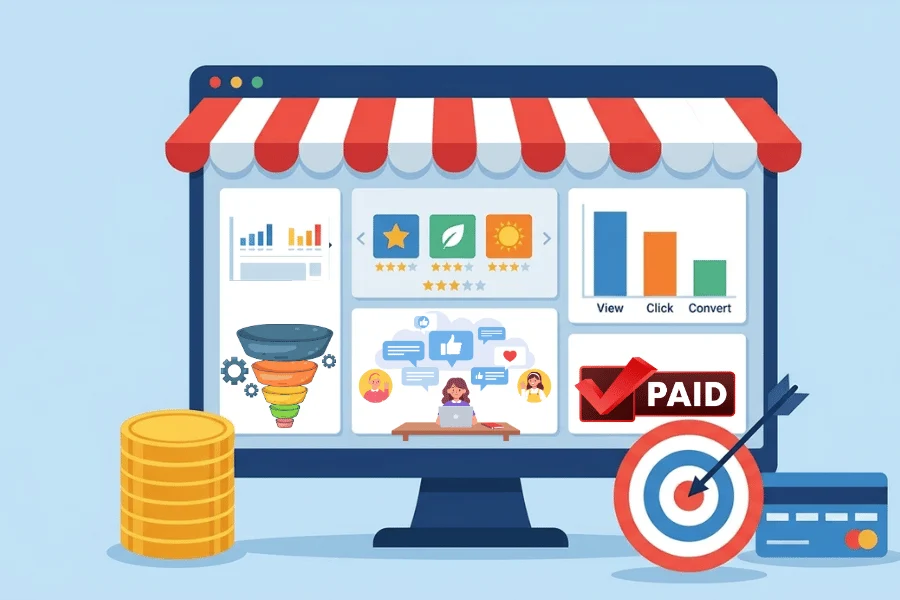
Paid social advertising refers to the practice of promoting products, services, or content through sponsored posts and advertisements on social media platforms. These ads appear in users’ feeds, stories, search results, or recommended content sections.
Unlike organic social media posts that rely on algorithmic reach, paid ads allow marketers to control how their content is distributed and who sees it. Advertisers can select precise targeting criteria to ensure their campaigns reach users who are most likely to engage with their brand.
Key benefits of paid social advertising include:
- Precise audience targeting capabilities
- Scalable campaign budgets and reach
- Immediate traffic generation
- Detailed performance tracking and analytics
- Faster lead generation and customer acquisition
Because of these advantages, businesses across industries, from small startups to global brands, use paid social advertising to drive measurable marketing results.
Major Social Media Promotion Platforms
Each social media platform offers unique advertising features and attracts different user demographics. Choosing the right platform plays a major role in campaign success.
| Platform | Best Use Case | Key Advantage |
| Facebook & Instagram | E-commerce, local businesses, lifestyle brands | Advanced targeting and large audience |
| B2B marketing, professional services | Precise professional targeting | |
| TikTok | Brand awareness, younger audiences | Highly engaging short-form video |
| YouTube | Product demos, tutorials, storytelling | High video engagement |
| Fashion, home decor, lifestyle brands | High purchase intent |
Businesses should analyze where their target audience spends the most time and choose platforms that align with their marketing goals.
Set Clear Campaign Goals
Before starting a social advertising campaign, it is essential to define clear objectives. Campaign goals help marketers determine the right targeting options, ad formats, and bidding strategies.
Common advertising goals include:
- Increasing website traffic
- Generating leads through form submissions
- Boosting product purchases
- Promoting app downloads
- Increasing brand awareness
Once objectives are defined, businesses should identify measurable key performance indicators (KPIs) to evaluate success.
Some of the most important KPIs include:
- Conversion rate
- Cost per acquisition (CPA)
- Return on ad spend (ROAS)
- Click-through rate (CTR)
- Customer lifetime value (CLV)
Setting clear goals ensures that advertising campaigns remain focused and measurable.
Use Advanced Audience Targeting
One of the biggest advantages of sponsored social promotions is the ability to target specific audience groups. Rather than showing ads to everyone, marketers can deliver content to people who are most likely to be interested in their products or services.
Social media platforms offer a wide range of targeting options, including:
- Demographic targeting based on age, gender, income, or education
- Interest targeting based on hobbies and preferences
- Behavioral targeting based on online activity
- Geographic targeting for location-specific campaigns
- Device targeting based on mobile or desktop usage
In addition to these options, advertisers can also use custom audiences, which allow them to upload customer lists or target users who previously interacted with their website.
Another powerful targeting technique is lookalike audiences, which enable advertisers to reach new users who share similar characteristics with existing customers. This method helps expand reach while maintaining audience relevance.
Implement Retargeting Campaigns
Retargeting, also known as remarketing, is one of the most effective strategies for increasing conversions through social media promotions. Retargeting campaigns focus on users who have already interacted with a brand but did not complete a desired action.
For example, a user might visit an online store, view a product, and leave without making a purchase. Retargeting allows businesses to display ads for that same product as the user continues browsing social media platforms.
Common retargeting strategies include:
- Displaying ads to website visitors
- Showing reminders to users who abandoned shopping carts
- Promoting special offers to previous customers
- Re-engaging users who interacted with social media content
Because these users already have some familiarity with the brand, they are much more likely to convert compared to completely new audiences.
Create High-Quality and Engaging Ad Creatives
The success of any social advertising campaign largely depends on the quality of its ad creatives. Social media users scroll quickly through their feeds, which means ads must capture attention within seconds.
Effective ad creatives typically include:
- Eye-catching visuals or videos
- Clear and concise messaging
- Strong emotional appeal
- A clear call-to-action
Video ads are particularly effective because they combine visuals, motion, and storytelling to create more engaging experiences. Short-form videos often perform especially well on platforms that prioritize mobile consumption.
Marketers should also ensure that their creatives match the style and tone of the platform they are advertising on. Content that blends naturally into the platform’s environment tends to perform better than overly promotional ads.
Optimize Ads for Mobile Users
Most social media users access platforms through mobile devices. Because of this, advertisers must design campaigns with mobile users in mind.
Mobile optimization strategies include:
- Using vertical or square video formats
- Ensuring text is readable on smaller screens
- Keeping messages short and impactful
- Using captions for silent video viewing
- Creating fast-loading landing pages
If the user experience on mobile devices is poor, even the best ads may fail to generate conversions.
Conduct Continuous A/B Testing
Successful advertisers rarely rely on a single version of an advertisement. Instead, they run multiple variations of ads to determine which ones perform best.
A/B testing involves comparing different versions of an ad by changing one element at a time. This allows marketers to identify what resonates most with their audience.
Elements that can be tested include:
- Headlines
- Images or videos
- Ad copy
- Audience segments
- Call-to-action buttons
- Landing pages
Continuous testing helps businesses refine their campaigns and improve performance over time.
Monitor Key Performance Metrics
Tracking the right metrics is essential for optimizing paid social campaigns. Without proper monitoring, businesses cannot determine whether their campaigns are generating a positive return on investment.
| Metric | What It Measures |
| CTR | Percentage of users who click the ad |
| CPC | Average cost paid for each click |
| Conversion Rate | Percentage of users completing a desired action |
| CPA | Cost required to acquire a customer |
| ROAS | Revenue generated for every dollar spent |
By analyzing these metrics regularly, advertisers can identify underperforming campaigns and make necessary adjustments.
Integrate Paid Social With Other Marketing Channels
Social media ad campaigns work best when they are integrated with a broader digital marketing strategy. Combining social ads with other channels helps create a consistent customer journey.
Examples of integration include:
- Driving traffic from ads to SEO-optimized landing pages
- Promoting blog content or educational resources through ads
- Retargeting email subscribers with social media campaigns
- Amplifying high-performing organic social media posts
When multiple channels work together, businesses can improve brand visibility and increase the likelihood of conversions.
Optimize Landing Pages for Conversions
An effective advertisement can attract clicks, but conversions ultimately depend on the landing page experience. If the landing page does not deliver what the advertisement promises, users will leave without taking action.
High-converting landing pages typically include:
- A clear and compelling headline
- A strong value proposition
- Minimal distractions
- Fast loading speed
- Trust signals such as reviews or testimonials
- A visible and persuasive call-to-action
Ensuring that landing pages align with ad messaging can significantly improve conversion rates.
Frequently Asked Questions
What is paid social media promotions?
Paid social media promotions refers to promoting products or services through sponsored posts and ads on social platforms to reach targeted audiences.
Which platform is best for paid social advertising?
Facebook and Instagram are ideal for B2C businesses, while LinkedIn works best for B2B marketing campaigns targeting professionals.
What is a good conversion rate for social media ads?
Most industries see social media ad conversion rates between 2% and 5%, though results vary depending on targeting, creatives, and landing page quality.
How does retargeting improve conversions?
Retargeting focuses on users who previously interacted with your brand, making them more likely to complete a purchase or other conversion action.
How can businesses reduce social media ad costs?
Businesses can reduce costs by optimizing targeting, improving ad creatives, running A/B tests, and focusing budgets on high-performing campaigns.
Conclusion
Paid social media promotions play a vital role in modern media marketing and social media marketing, helping businesses reach audiences across multiple social channels and drive conversions aligned with their business goals. By using strong content strategy, authentic user-generated content (UGC), and effective retargeting campaigns, brands can improve lead generation, increase the number of conversions, and reduce cost per acquisition across platforms like major social networks.
With insights from tools like Google Analytics, social listening, and other AI-driven solutions, businesses can track impression, avoid relying on vanity metrics, and focus on measurable results that strengthen their overall marketing efforts and support real business growth.